



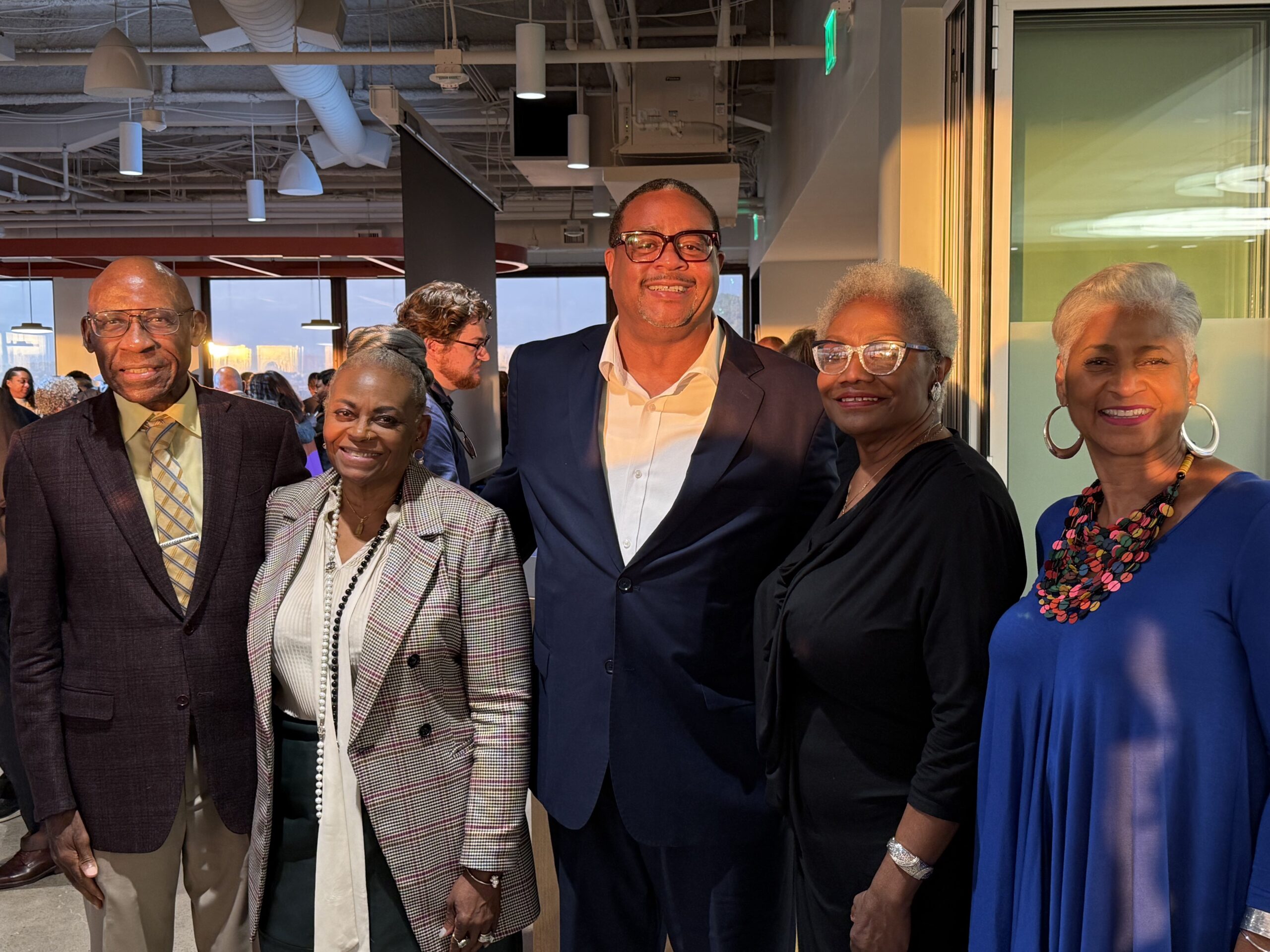
On September 23, 2025, the Urban League of Greater Pittsburgh convened civic, judicial, health, and academic leaders for its annual State of Black Pittsburgh forum. The event brought together more than 200 attendees for an evening of honest conversation, reflection, and a shared call to collective action.
A Forum of Expertise and Urgency
The program opened with remarks from Bryan Iams, Board Chair of the Urban League, and Esther L. Bush, Interim President & CEO, before presenting a range of powerful perspectives.
Lieutenant Governor Austin Davis, appearing virtually, framed his keynote around the “Complex and Evolving State of Black PA.” He emphasized that while progress has been made, structural inequities persist across health, education, and economic access, and affirmed that Black leadership is essential in building solutions.
Mayor Ed Gainey underscored the urgent need for African American participation in construction and contracting, noting that the city has secured three major deals with Black contractors. He challenged organizations to commit 10–15% of their contracts to Black businesses and called for greater collaboration across sectors to expand economic opportunity.
Judge Kim Berkeley Clark delivered her original poem, “The Silence Is Deafening,” which spoke to centuries of marginalization and the ongoing struggle for dignity and justice. She also reminded the audience of the critical role of voter participation in ensuring equitable representation and policy outcomes.
Dr. Margaret Larkins-Pettigrew, Chief Clinical Diversity, Equity and Inclusion Officer at Allegheny Health Network, drew attention to devastating racial disparities in maternal and infant health. She cited data showing that Black infants in Pittsburgh die two to three times more often than White infants, while Black mothers face mortality rates three to four times higher. She emphasized that “health is wealth,” urging health equity as central to community growth.
Dr. Joe Trotter, Jr., Professor of History at Carnegie Mellon University, called for a reparative agenda in his talk, “A New History of Black Pittsburgh: Towards a Reparation Framework.” He noted the national debate on reparations and argued that structural transformation in Pittsburgh requires both historical reckoning and forward-looking commitments.
Community Engagement and Closing Reflections
The panel was followed by an audience Q&A, where community members pressed leaders on accountability, inclusion, and next steps. Esther Bush closed the evening by emphasizing the importance of collaboration over credit, while Iams urged shared ownership of change.
A Catalyst for Change
The 2025 State of Black Pittsburgh was not just a forum but a space for reckoning, where leaders and community members alike affirmed that the fight for justice, equity, and opportunity must be collective and sustained.
About the Urban League of Greater Pittsburgh
Since its founding in 1918, the Urban League of Greater Pittsburgh has been a trusted civic institution dedicated to enabling African Americans to secure economic self-reliance, parity, power and civil rights. Through direct services, advocacy, and strategic leadership, the organization works to reduce structural barriers and foster opportunity for all residents.
For media inquiries, interviews, or further information, please contact:
[Karim Alsharif]
Urban League of Greater Pittsburgh
Phone: [412-227-4156]
Email: [kalsharif@example.com]

