
Generic selectors
Exact matches only
Search in title
Search in content
Post Type Selectors

Honoring the Past to Build the Future

History

The Urban League of Greater Pittsburgh is part of a century-long movement dedicated to equity, opportunity, and self-reliance. Here’s how our story began—and how it continues today.

1910

1910

Throughout its history, the Urban League Movement has been a magnet for people with a vision of a better urban America and the financial and intellectual capacity to make a difference.

In 1910, Mrs. Ruth Standish Baldwin, a member of one of America’s oldest families, and widow of railroad magnate, William Baldwin, and Dr. George Edmund Hayes, the first African American to receive a doctorate degree from Columbia University, founded what later became the National Urban League.

For more than one hundred years this combination of dynamic leadership, vision and financial wherewithal has been and remains the formula for success of the Urban League on the national and local levels.

1918

1918

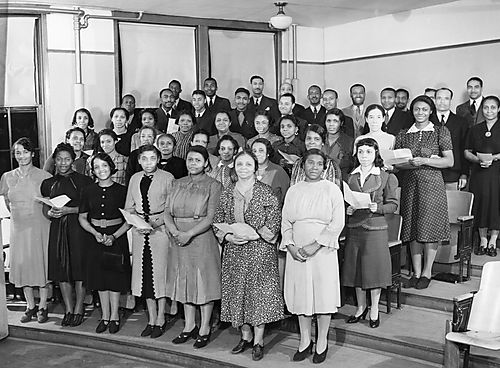
The Urban League of Pittsburgh opens its doors at 505 Wylie Ave. in the lower Hill District. The league’s first executive director John T. Clark, a black sociologist, and first president, Walter may, the white owner of May Drug Co., formed an interracial alliance that would become a hallmark of how the organization conducted business.

1920s

1920s

  • Sponsors conference on Negro Industrial Welfare Workers, which issued a call for hiring blacks in personnel positions and as nurses.
  • Launches campaign that leads Jeanette Washington being hired as the first black nurse for the city.
  • Executive Director Alonzo Thayer involves the league with the Welfare Fun, which would later become the United Way, a longtime supporter and contributor to league programs.
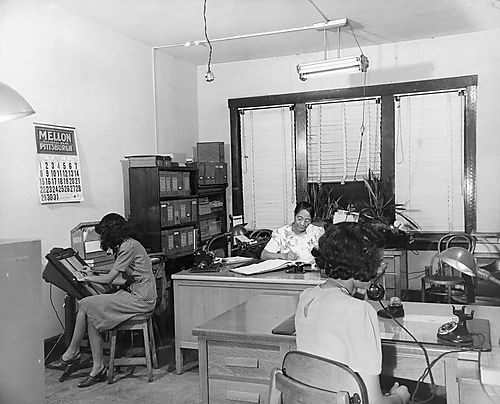
  • League hires Harold Lett as first industrial secretary, or job developer, and he forms alliances with Westinghouse Electric, Pittsburgh Coal and Carnegie Steel companies to hire black laborers.
1930s

1930s

  • First black teacher hired by the Pittsburgh board of education, the result of negotiations began by former executive director John T. Clark.
  • The James Weldon Johnson Summer Camp starts. The fresh air retreat, designed to offer a respite from urban life, is the first such camp in Pittsburgh for blacks.
  • Build coalitions with government agencies, such as the Works Progress Administration and other federal projects, and begin to fight discrimination in unions and businesses.
1940s

1940s

  • Files complaints against Yellow Cab Co. about lack of service to Hill District. Dispute still exists.
  • Bell Telephone is targeted in a campaign to hire black operators.
1950s

1950s

  • In conjunction with NAACP and other community groups, the league sues to desegregate the Highland Park swimming pool.
  • Advocated that the Housing Authority of Pittsburgh cease its racial segregation in public housing.
  • Dialogues begins with the board of education for desegregation and affirmative action hiring in public schools. Fruits of the negotiations won’t be seen until 25 years later.
1960s

1960s

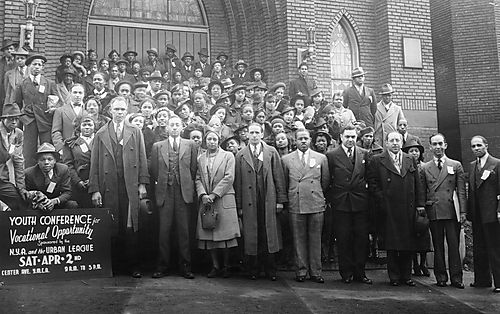
  • New outreach effort leads to branch offices. The leagues also launched neighborhood youth counseling, job training and summer work programs.
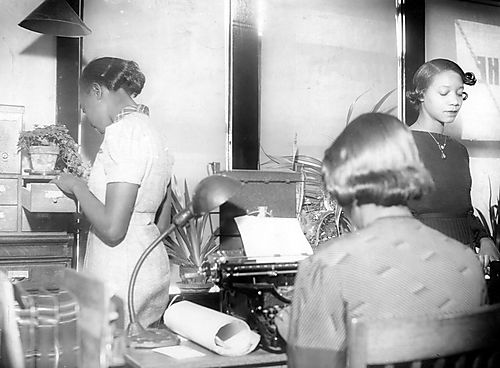
  • Renews commitment to “Pilot Placement” – a program to get black previously restricted positions. The Golden Triangle is targeted, along with increasing the number of promotions for secretaries.
  • NEED – Negro Emergency Education Drive – is founded, providing grants and scholarships to help black students attend college.
  • League hires first full-time health office to organize support and treatment programs for sickle cell amenia.
1970s

1970s

  • Thanks in part to increased federal funding, the staff increases from 60 to 200.
  • Completes construction on the Homewood North Housing development.
  • Forms a partnership with Community Employment Training Programs (CETA) to provide jobs for country youth.
1980s

1980s

  • Initiates SWAT, School to Work Action Team, to help find employment for area teens.
  • Begins to address AIDS education in the black community.
  • Part of coalition that pushes for minority contractors to get at least 15 percents of work at the new Pittsburgh International Airport.
1990s

1990s

  • Gets a $450,000 federal grant to help battle drug abuse in the Mon Valley.
  • Hold Summit on Violence at Hill House to address the rising rates of black-on-black crime.
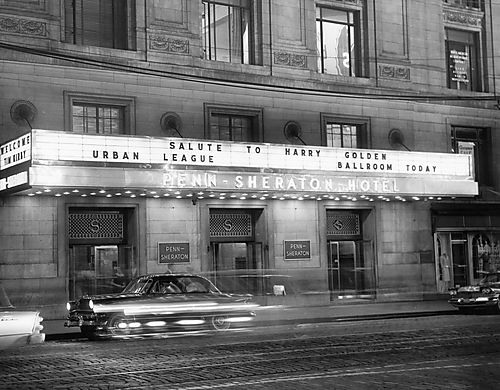
  • Launches Jobs Fair with NAACP to recruit more minority workers for hotel industry.
2000–2003

2000–2003

Expanded job training and employment services to respond to regional economic shifts and rising poverty levels. Continued focus on self-reliance, employment, and education.

2004

2004

Partnered with regional organizations to promote workforce inclusion, particularly for underserved populations.

2005–2009

2005–2009

Expanded community development programs including housing stability, youth development, and family support services during economic instability.

2010–2013

2010–2013

Increased focus on workforce readiness, job placement, and economic empowerment following the Great Recession.

2014–2017

2014–2017

Expanded youth leadership, college readiness, and career pipeline programs through community and school partnerships.

2018

2018

Marked over 100 years of service since founding in 1918, renewing focus on education, workforce development, and civil rights.

2020

2020

Responded to COVID-19 by addressing emergency needs, digital access gaps, and workforce disruptions while supporting social justice efforts.

2021–2022

2021–2022

Expanded digital literacy, technology training, and workforce certification programs to address the digital divide.

2023–2024

2023–2024

Advanced strategic initiatives including democracy, diversity, and poverty reduction efforts; expanded STEM and economic programs.

2025–2026

2025–2026

Continued modernization through technology training programs, workforce pipelines, and major community engagement events.

Present

Present

Through vital programs in employment, youth, family and child development, housing and self-sufficiency, Urban Leaguers work to level the playing field for all Americans and to equip disadvantaged families to care for themselves.

That’s the Movement. That’s the Urban League way.
Change Starts Here.
Join the Urban League Movement Today.