


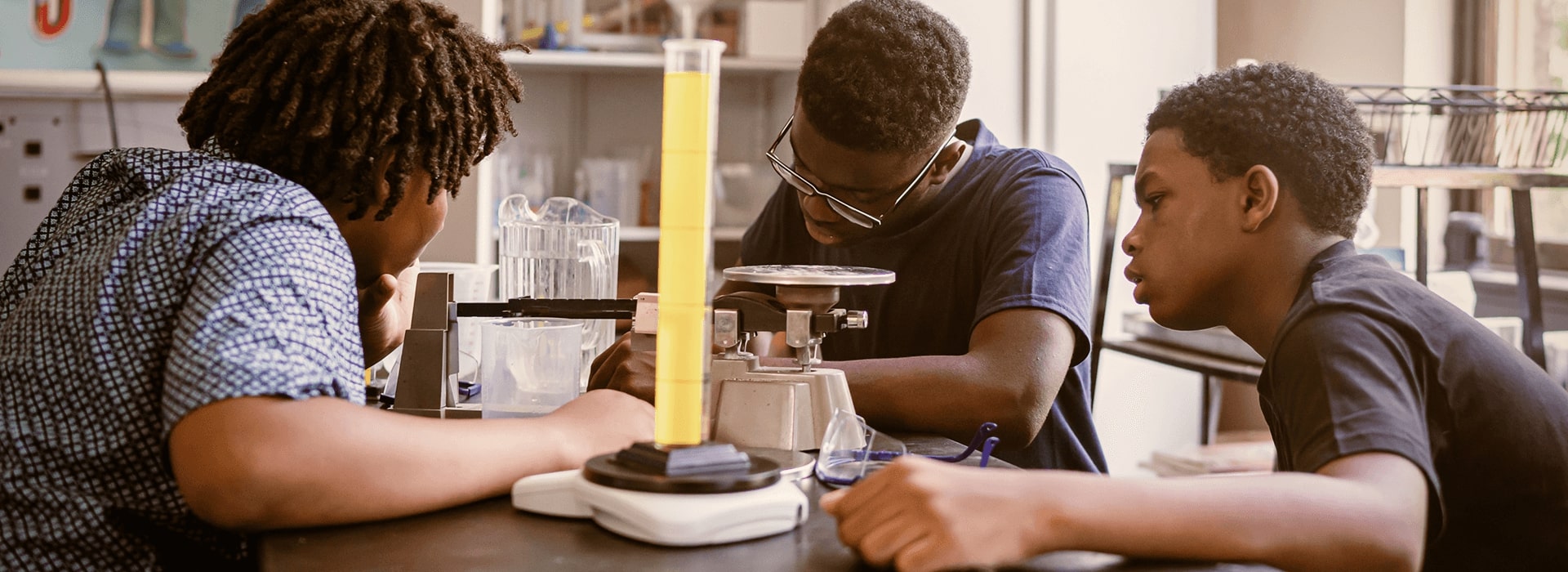
The Five Elements of Nature curriculum introduces students to the interconnected wonders of Earth, air, fire, water, and space through a dynamic, hands-on STEM framework.
The Five Elements of Nature curriculum is a free program that gives students the chance to explore the world around them through hands-on projects, science-based discovery, and real-world connections. By studying space, Earth, fire, and water, students will not only gain technical knowledge but also a deeper appreciation for the natural systems that sustain life.
Along the way, they’re introduced to career paths in geology, astronomy, firefighting, volcanology, and oceanography—fields that shape our collective future.
Without access to classes, programs, and opportunities like this, these experiences can remain only a dream. Through the Urban League of Greater Pittsburgh, middle and high school students can step into programs that make STEM learning real and achievable. For them, the possibilities are limitless when curiosity is matched with opportunity.
Engage in experiments, creative projects, and field-based learning.
Build models, test renewable energy concepts, and explore ecosystems.
Work to develop their technical skills and interest in STEM careers.
Learn an appreciation for the natural world.
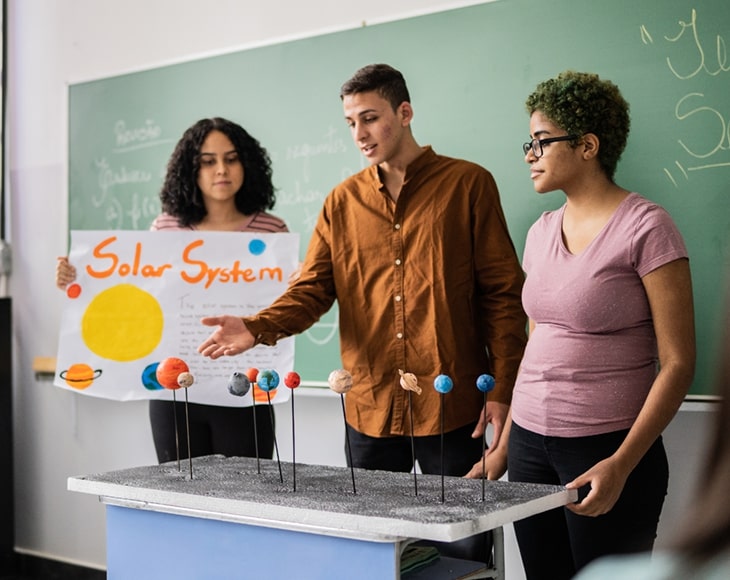
In the area of Space and Astronomy, the students became aware of the magnitude of Space and possible career paths. The students will study the NASA space program by building their own rocket to understand some basic elements that propel the rocket into space.
The students will also create a solar system and use videos to understand how each planet rotates around the Sun and its importance in the solar system. They will also be educated on the accomplishments of African Americans in the field of Space.
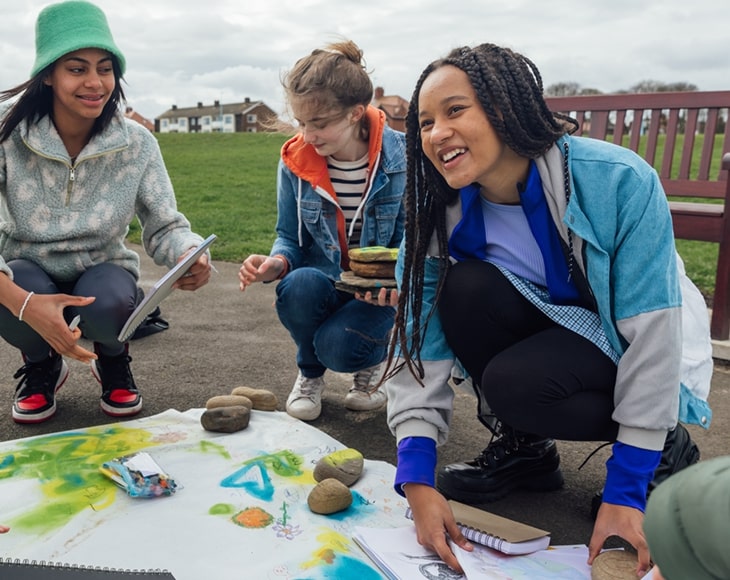
The course will give students an awareness of geology and the career path to becoming a geologist. The word geology means ‘Study of the Earth’. Geology is the primary Earth science and examines how the Earth’s structure and composition was formed and the types of processes involved.
Geology focuses on the history of the Earth over its 4.5-billion-year life. By studying the Earth’s structures, we can unlock its hidden past and anticipate its future. We will study earthquakes and the reasons those phenomena occur. The students will dive into the construction of the Earth’s internal structure. Also, possible careers in geology.
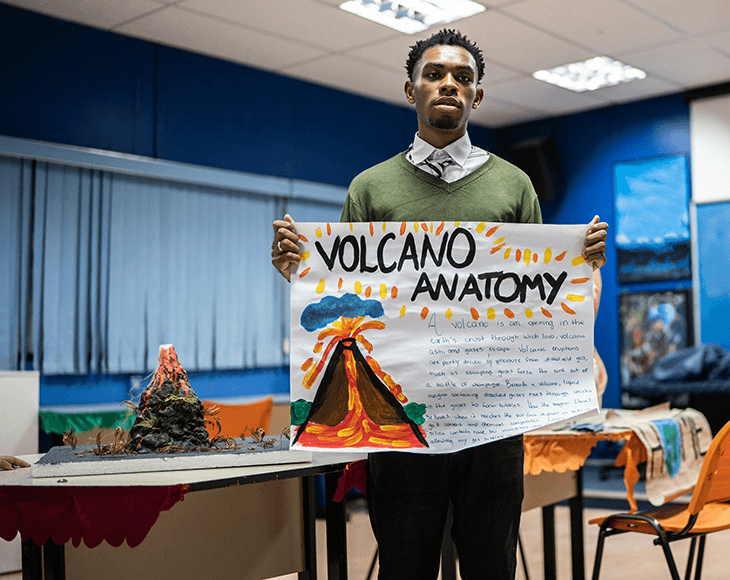
The student will study the significance of fire, both the destruction and the creation of fire.
The course will include awareness of a path to becoming a Volcanologist. Volcanology is newer, exciting career that involves the study of one of the Earth’s most powerful processes – volcanoes. Scientists across disciplines study volcanoes. Physical volcanologists are those who study the processes and deposits of volcanic eruptions, whereas geophysicists study seismology (the study of earthquakes – instrumental in volcano monitoring), gravity, magnetics, and other geophysical measurements.
The course will also include guest lectures from the Department of Fire. The lectures will discuss the value of a career in firefighting and what considerations are required.
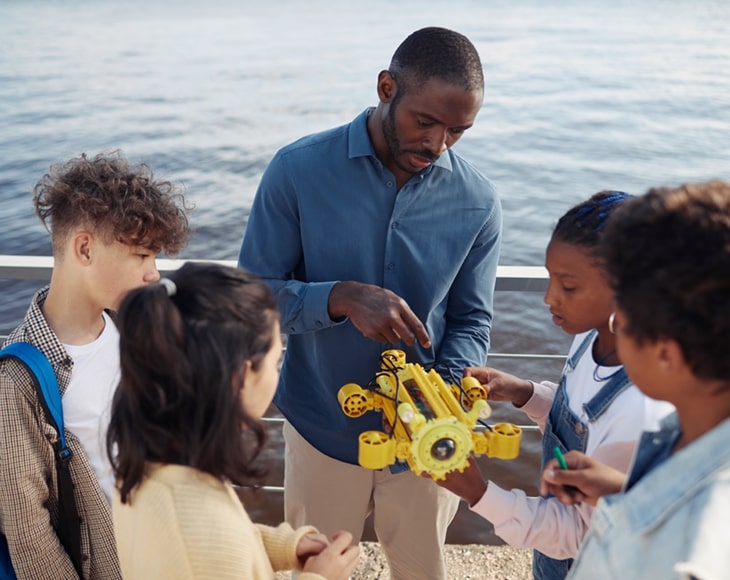
Water is an essential resource that has and continues to fuel human progress. It is used to transports solids, dissolves minerals, chemicals, and nutrients, and store thermal energy. The ‘carrier characteristic’ of water allows for countless agricultural, industrial, and transport processes that keep our society thriving.
But water is also key to life. The water in our oceans is home to phytoplankton that produces 70% of the oxygen we breathe. The lakes, rivers, and the groundwater underneath our feet, are our sources of drinking water that we need to survive. The food we eat also relies on freshwater to grow.
The student will learn the importance of water associated with the major bodies of water. The teaching process will include creating the following: hurricanes, typhoons, and saltwater aquariums. Each student will be given all the necessary ingredients to build a tornado, a hurricane, and an Aquarium. The additional knowledge will allow students to consider a path to oceanography.

This program is designed to educate and empower girls from disenfranchised communities to explore and excel in areas like mathematics, science, technology, and engineering.
Learn About This Program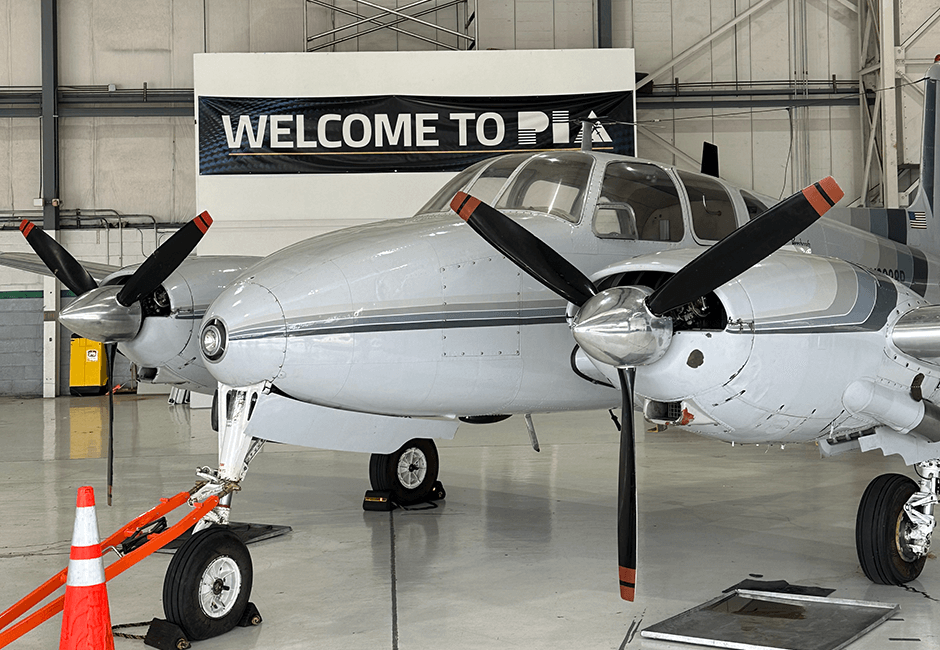
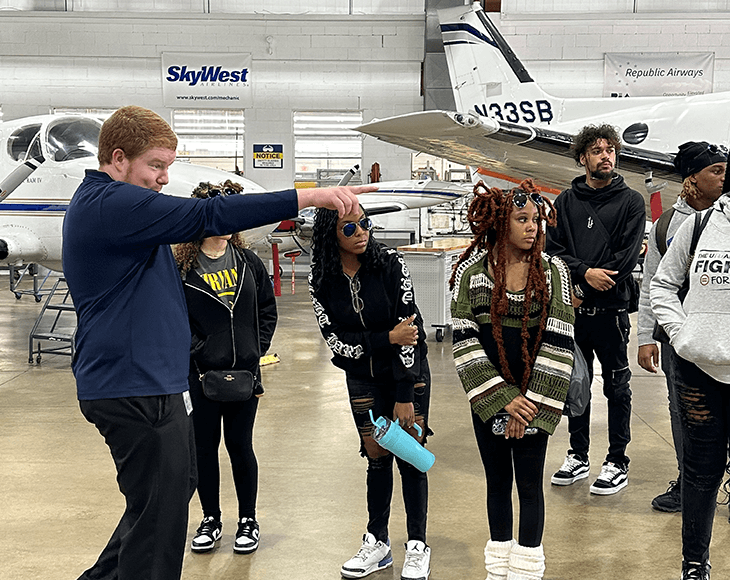
Students learn the science of flight with in-depth curriculum featuring visits to local airports, flight simulation, and more to introduce them to the endless opportunities for them in technology and aviation.
Learn About This Program






To learn more or to enroll in the Five Elements of Nature Curriculum (FEN), please contact us today.